🔥
Contracting
Explore the new contractor management module
🔥
Contracting
Explore the new contractor management module
🔥
Contracting
Explore the new contractor management module
🔥
Contracting
Explore the new contractor management module

Last updated:
Enhancing Candidate Experience Through Effective Communication

EB | Recruitment Marketing

Iwo Paliszewski
In today's competitive job market, candidates have more options than ever before, and the way they are treated during the recruitment process can significantly impact their decision to accept an offer. One of the most powerful tools recruiters have at their disposal is communication. How you communicate with candidates at every stage of recruitment can determine a positive experience or a lost opportunity.
Effective communication not only keeps candidates updated but also makes them feel valued, respected, and engaged. In this article, we will discuss best communication practices at each stage of the recruitment process, from automated updates to personalised follow-ups, to ensure candidates have an exceptional experience.
1. Setting clear expectations from the start
The first impression a candidate gets during the recruitment process sets the tone for the entire experience. From the moment they apply, it’s important to communicate clear expectations of what happens next. A well-written job advertisement, including a timeline, the stages of the recruitment interviews, and what candidates can expect during the process, can work wonders.
Setting expectations also means informing candidates when they can expect a response after submitting an application or having an interview. If a decision isn't immediate, be transparent about the timeframe in which you will make a decision. Regular and open communication builds trust and reduces candidate anxiety.
2. Automated updates: Keep candidates in the loop
In the fast-paced recruitment process, it can be challenging to stay in touch with every candidate. Ignoring candidates or leaving them in uncertainty for long periods can lead to frustration and negative experiences. This is where automated updates are ideal.
Automated emails can inform candidates about the status of their application - whether they have been invited for an interview, the position has already been filled, or when further information can be expected. Automated messages should be used judiciously to ensure candidates don't feel neglected and that communication is tailored to their situation and maintains a human touch.
The key is to ensure your automated communication isn't rigid. Even simple, polite emails confirming receipt of an application and its review can keep candidates engaged and prevent them from feeling ignored.
3. Personalised communication: Make it human
While automation saves time, personalised communication still plays a crucial role in creating a positive candidate experience. Personal touches, such as sending a thank you note after an interview, make candidates feel that they are more than just a number in the recruitment system.
Personalised messages can offer feedback on their performance, updates on the next steps, or even a brief note acknowledging their interest. This can be done via phone, email, or video message, depending on the stage of recruitment.
One of the most impactful ways to personalise communication is to recognise the candidate's unique qualities. If a candidate has a particular strength or achievement, it's worth noting this in follow-up communication. Appreciating a candidate’s skills and capabilities shows you regard them as an individual, not just a CV.
4. Timely communication: Respect their time
Candidates appreciate timely communication - it's important to respect their time throughout the recruitment process. Avoid long gaps between interviews and follow-ups. If you've promised a response by a certain deadline, stick to it.
Keeping communication timely is not only courteous but also helps maintain candidate engagement and builds their enthusiasm for the opportunity. If delays or unexpected issues arise on your side, inform them as soon as possible.
Even a quick message saying "thank you for your patience" can be a small gesture that makes a big difference in how a candidate perceives your organisation.
5. Feedback: Help candidates grow
Providing feedback is one of the most powerful ways to create a positive candidate experience, especially for those not selected for the role. Many candidates want to grow, and constructive feedback gives them insight into their strengths and areas for improvement.
Giving feedback after interviews (regardless of whether a candidate is selected or not) shows respect for their time and effort. It also demonstrates a commitment to transparency and continuous improvement in the recruitment process. Feedback should be constructive but always delivered thoughtfully and respectfully.
It’s also worth asking candidates for feedback on their experience with the recruitment process. Asking them how the process could be improved provides valuable insights that will enhance future communication.
6. Post-hiring communication: Onboarding and more
Effective communication doesn’t end at hiring. The post-hiring phase is equally important in shaping the overall candidate experience. A robust onboarding process that includes clear instructions, resources, and ongoing communication sets the tone for an employee’s future journey in the organisation.
Reach out to the new hire even before their first day to welcome them, provide necessary information, and answer any questions they may have. Continuous communication during onboarding ensures the new employee feels supported and informed, helping them feel comfortable and engaged from the start.
Additionally, stay in touch with candidates who weren’t selected for the role. This keeps the door open for future opportunities and helps build a positive relationship. A simple email offering to keep their details on file or inviting them to join a talent pool can keep candidates engaged with your company.
7. Leveraging technology for seamless communication
Recruiters can leverage technology to make communication seamless and efficient. Applicant Tracking Systems (ATS) can automate many communication tasks, such as sending application confirmations, scheduling interviews, and follow-ups, providing candidates with regular updates.
Moreover, using communication tools like chatbots, video conferencing, and messaging platforms can streamline the process and give candidates more opportunities to connect when they have questions. By offering candidates different communication options, you enhance their experience and provide greater flexibility.
Effective communication is key to a positive candidate experience
Effective communication is the bedrock of an excellent candidate experience. By setting clear expectations, wisely using automated updates, personalising interactions, delivering timely feedback, and utilising technology, you can create a recruitment process that not only attracts top talent but also leaves a positive impression on every candidate.
Remember, recruitment is not just about filling a position - it's about building relationships and trust with candidates. A recruitment process that is well-communicated and respectful ensures candidates feel valued, regardless of the outcome.


News & Updates
Stay up-to-date with the latest innovations, features, and tips about Recruitify!
By providing your email address within the newsletter sign-up form, you confirm its processing to send marketing information regarding the Administrator’s products and services. The Administrator of your personal data processed for the abovementioned purposes is Recruitify Spółka z o.o., based in Warsaw, Poland (KRS 0000709889). For more information on the principles of personal data processing and the rights of data subjects, please check the Privacy Policy.

Last updated:
Enhancing Candidate Experience Through Effective Communication
EB | Recruitment Marketing
Iwo Paliszewski
In today's competitive job market, candidates have more options than ever before, and the way they are treated during the recruitment process can significantly impact their decision to accept an offer. One of the most powerful tools recruiters have at their disposal is communication. How you communicate with candidates at every stage of recruitment can determine a positive experience or a lost opportunity.
Effective communication not only keeps candidates updated but also makes them feel valued, respected, and engaged. In this article, we will discuss best communication practices at each stage of the recruitment process, from automated updates to personalised follow-ups, to ensure candidates have an exceptional experience.
1. Setting clear expectations from the start
The first impression a candidate gets during the recruitment process sets the tone for the entire experience. From the moment they apply, it’s important to communicate clear expectations of what happens next. A well-written job advertisement, including a timeline, the stages of the recruitment interviews, and what candidates can expect during the process, can work wonders.
Setting expectations also means informing candidates when they can expect a response after submitting an application or having an interview. If a decision isn't immediate, be transparent about the timeframe in which you will make a decision. Regular and open communication builds trust and reduces candidate anxiety.
2. Automated updates: Keep candidates in the loop
In the fast-paced recruitment process, it can be challenging to stay in touch with every candidate. Ignoring candidates or leaving them in uncertainty for long periods can lead to frustration and negative experiences. This is where automated updates are ideal.
Automated emails can inform candidates about the status of their application - whether they have been invited for an interview, the position has already been filled, or when further information can be expected. Automated messages should be used judiciously to ensure candidates don't feel neglected and that communication is tailored to their situation and maintains a human touch.
The key is to ensure your automated communication isn't rigid. Even simple, polite emails confirming receipt of an application and its review can keep candidates engaged and prevent them from feeling ignored.
3. Personalised communication: Make it human
While automation saves time, personalised communication still plays a crucial role in creating a positive candidate experience. Personal touches, such as sending a thank you note after an interview, make candidates feel that they are more than just a number in the recruitment system.
Personalised messages can offer feedback on their performance, updates on the next steps, or even a brief note acknowledging their interest. This can be done via phone, email, or video message, depending on the stage of recruitment.
One of the most impactful ways to personalise communication is to recognise the candidate's unique qualities. If a candidate has a particular strength or achievement, it's worth noting this in follow-up communication. Appreciating a candidate’s skills and capabilities shows you regard them as an individual, not just a CV.
4. Timely communication: Respect their time
Candidates appreciate timely communication - it's important to respect their time throughout the recruitment process. Avoid long gaps between interviews and follow-ups. If you've promised a response by a certain deadline, stick to it.
Keeping communication timely is not only courteous but also helps maintain candidate engagement and builds their enthusiasm for the opportunity. If delays or unexpected issues arise on your side, inform them as soon as possible.
Even a quick message saying "thank you for your patience" can be a small gesture that makes a big difference in how a candidate perceives your organisation.
5. Feedback: Help candidates grow
Providing feedback is one of the most powerful ways to create a positive candidate experience, especially for those not selected for the role. Many candidates want to grow, and constructive feedback gives them insight into their strengths and areas for improvement.
Giving feedback after interviews (regardless of whether a candidate is selected or not) shows respect for their time and effort. It also demonstrates a commitment to transparency and continuous improvement in the recruitment process. Feedback should be constructive but always delivered thoughtfully and respectfully.
It’s also worth asking candidates for feedback on their experience with the recruitment process. Asking them how the process could be improved provides valuable insights that will enhance future communication.
6. Post-hiring communication: Onboarding and more
Effective communication doesn’t end at hiring. The post-hiring phase is equally important in shaping the overall candidate experience. A robust onboarding process that includes clear instructions, resources, and ongoing communication sets the tone for an employee’s future journey in the organisation.
Reach out to the new hire even before their first day to welcome them, provide necessary information, and answer any questions they may have. Continuous communication during onboarding ensures the new employee feels supported and informed, helping them feel comfortable and engaged from the start.
Additionally, stay in touch with candidates who weren’t selected for the role. This keeps the door open for future opportunities and helps build a positive relationship. A simple email offering to keep their details on file or inviting them to join a talent pool can keep candidates engaged with your company.
7. Leveraging technology for seamless communication
Recruiters can leverage technology to make communication seamless and efficient. Applicant Tracking Systems (ATS) can automate many communication tasks, such as sending application confirmations, scheduling interviews, and follow-ups, providing candidates with regular updates.
Moreover, using communication tools like chatbots, video conferencing, and messaging platforms can streamline the process and give candidates more opportunities to connect when they have questions. By offering candidates different communication options, you enhance their experience and provide greater flexibility.
Effective communication is key to a positive candidate experience
Effective communication is the bedrock of an excellent candidate experience. By setting clear expectations, wisely using automated updates, personalising interactions, delivering timely feedback, and utilising technology, you can create a recruitment process that not only attracts top talent but also leaves a positive impression on every candidate.
Remember, recruitment is not just about filling a position - it's about building relationships and trust with candidates. A recruitment process that is well-communicated and respectful ensures candidates feel valued, regardless of the outcome.
News & Updates
Stay up-to-date with the latest innovations, features, and tips about Recruitify!
By providing your email address within the newsletter sign-up form, you confirm its processing to send marketing information regarding the Administrator’s products and services. The Administrator of your personal data processed for the abovementioned purposes is Recruitify Spółka z o.o., based in Warsaw, Poland (KRS 0000709889). For more information on the principles of personal data processing and the rights of data subjects, please check the Privacy Policy.
Last updated:
Enhancing Candidate Experience Through Effective Communication
EB | Recruitment Marketing
Iwo Paliszewski
In today's competitive job market, candidates have more options than ever before, and the way they are treated during the recruitment process can significantly impact their decision to accept an offer. One of the most powerful tools recruiters have at their disposal is communication. How you communicate with candidates at every stage of recruitment can determine a positive experience or a lost opportunity.
Effective communication not only keeps candidates updated but also makes them feel valued, respected, and engaged. In this article, we will discuss best communication practices at each stage of the recruitment process, from automated updates to personalised follow-ups, to ensure candidates have an exceptional experience.
1. Setting clear expectations from the start
The first impression a candidate gets during the recruitment process sets the tone for the entire experience. From the moment they apply, it’s important to communicate clear expectations of what happens next. A well-written job advertisement, including a timeline, the stages of the recruitment interviews, and what candidates can expect during the process, can work wonders.
Setting expectations also means informing candidates when they can expect a response after submitting an application or having an interview. If a decision isn't immediate, be transparent about the timeframe in which you will make a decision. Regular and open communication builds trust and reduces candidate anxiety.
2. Automated updates: Keep candidates in the loop
In the fast-paced recruitment process, it can be challenging to stay in touch with every candidate. Ignoring candidates or leaving them in uncertainty for long periods can lead to frustration and negative experiences. This is where automated updates are ideal.
Automated emails can inform candidates about the status of their application - whether they have been invited for an interview, the position has already been filled, or when further information can be expected. Automated messages should be used judiciously to ensure candidates don't feel neglected and that communication is tailored to their situation and maintains a human touch.
The key is to ensure your automated communication isn't rigid. Even simple, polite emails confirming receipt of an application and its review can keep candidates engaged and prevent them from feeling ignored.
3. Personalised communication: Make it human
While automation saves time, personalised communication still plays a crucial role in creating a positive candidate experience. Personal touches, such as sending a thank you note after an interview, make candidates feel that they are more than just a number in the recruitment system.
Personalised messages can offer feedback on their performance, updates on the next steps, or even a brief note acknowledging their interest. This can be done via phone, email, or video message, depending on the stage of recruitment.
One of the most impactful ways to personalise communication is to recognise the candidate's unique qualities. If a candidate has a particular strength or achievement, it's worth noting this in follow-up communication. Appreciating a candidate’s skills and capabilities shows you regard them as an individual, not just a CV.
4. Timely communication: Respect their time
Candidates appreciate timely communication - it's important to respect their time throughout the recruitment process. Avoid long gaps between interviews and follow-ups. If you've promised a response by a certain deadline, stick to it.
Keeping communication timely is not only courteous but also helps maintain candidate engagement and builds their enthusiasm for the opportunity. If delays or unexpected issues arise on your side, inform them as soon as possible.
Even a quick message saying "thank you for your patience" can be a small gesture that makes a big difference in how a candidate perceives your organisation.
5. Feedback: Help candidates grow
Providing feedback is one of the most powerful ways to create a positive candidate experience, especially for those not selected for the role. Many candidates want to grow, and constructive feedback gives them insight into their strengths and areas for improvement.
Giving feedback after interviews (regardless of whether a candidate is selected or not) shows respect for their time and effort. It also demonstrates a commitment to transparency and continuous improvement in the recruitment process. Feedback should be constructive but always delivered thoughtfully and respectfully.
It’s also worth asking candidates for feedback on their experience with the recruitment process. Asking them how the process could be improved provides valuable insights that will enhance future communication.
6. Post-hiring communication: Onboarding and more
Effective communication doesn’t end at hiring. The post-hiring phase is equally important in shaping the overall candidate experience. A robust onboarding process that includes clear instructions, resources, and ongoing communication sets the tone for an employee’s future journey in the organisation.
Reach out to the new hire even before their first day to welcome them, provide necessary information, and answer any questions they may have. Continuous communication during onboarding ensures the new employee feels supported and informed, helping them feel comfortable and engaged from the start.
Additionally, stay in touch with candidates who weren’t selected for the role. This keeps the door open for future opportunities and helps build a positive relationship. A simple email offering to keep their details on file or inviting them to join a talent pool can keep candidates engaged with your company.
7. Leveraging technology for seamless communication
Recruiters can leverage technology to make communication seamless and efficient. Applicant Tracking Systems (ATS) can automate many communication tasks, such as sending application confirmations, scheduling interviews, and follow-ups, providing candidates with regular updates.
Moreover, using communication tools like chatbots, video conferencing, and messaging platforms can streamline the process and give candidates more opportunities to connect when they have questions. By offering candidates different communication options, you enhance their experience and provide greater flexibility.
Effective communication is key to a positive candidate experience
Effective communication is the bedrock of an excellent candidate experience. By setting clear expectations, wisely using automated updates, personalising interactions, delivering timely feedback, and utilising technology, you can create a recruitment process that not only attracts top talent but also leaves a positive impression on every candidate.
Remember, recruitment is not just about filling a position - it's about building relationships and trust with candidates. A recruitment process that is well-communicated and respectful ensures candidates feel valued, regardless of the outcome.
News & Updates
Stay up-to-date with the latest innovations, features, and tips about Recruitify!
By providing your email address within the newsletter sign-up form, you confirm its processing to send marketing information regarding the Administrator’s products and services. The Administrator of your personal data processed for the abovementioned purposes is Recruitify Spółka z o.o., based in Warsaw, Poland (KRS 0000709889). For more information on the principles of personal data processing and the rights of data subjects, please check the Privacy Policy.

Discover More

Recruitment Process
13 Mar 2026
Is recruitment becoming a battle of AI versus AI?
A few years ago, technology in recruitment had one primary goal: to help people find each other more quickly.
Discover More

Recruitment Process
11 Mar 2026
Why does the top candidate often get eliminated during the screening process?
Screening is the stage where a recruiter must swiftly assess whether an individual has the potential to move forward to an interview.
Discover More
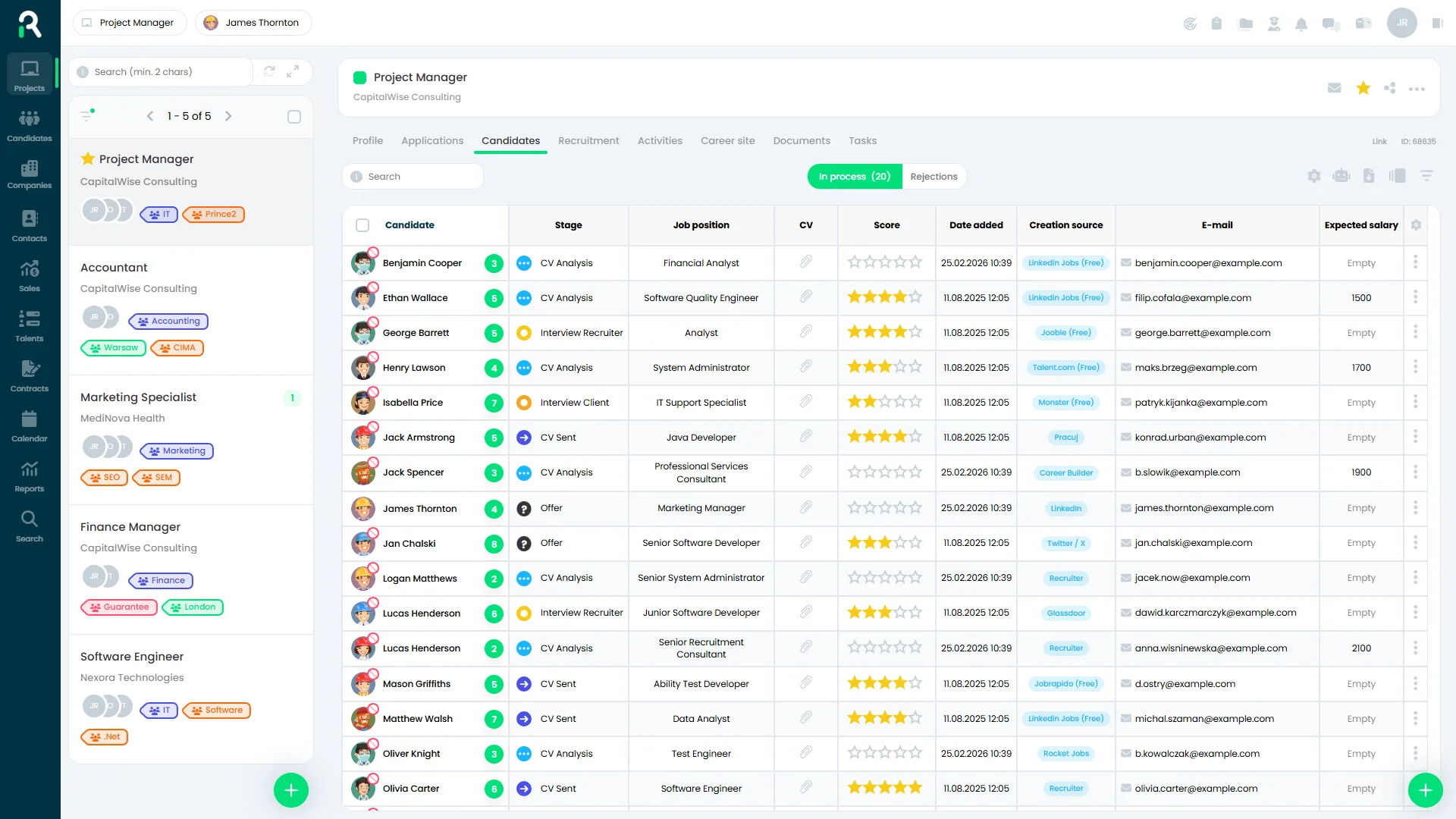
Applicant Tracking System
5 Mar 2026
From A to Z: Architecting Talent Acquisition, Distinguishing HRM from Recruitment Software, and Selecting High-Performance Systems.
Recruitment has evolved from being merely an administrative task to becoming a vital component of business strategy. In this comprehensive guide, we elucidate what an Applicant Tracking System (ATS) is, how it differs from recruitment and HRM systems, its operation within HR models, agencies, and contracting, and the secure transition process. We delve into the role of AI in recruitment, integrations, implementation costs, and the most common pitfalls when selecting software. This is a practical compendium for companies seeking to manage recruitment in an organised, measurable, and scalable manner.
Discover More
Recruitment Process
13 Mar 2026
Is recruitment becoming a battle of AI versus AI?
A few years ago, technology in recruitment had one primary goal: to help people find each other more quickly.
Discover More
Recruitment Process
11 Mar 2026
Why does the top candidate often get eliminated during the screening process?
Screening is the stage where a recruiter must swiftly assess whether an individual has the potential to move forward to an interview.
Discover More