🔥
Contracting
Explore the new contractor management module
🔥
Contracting
Explore the new contractor management module
🔥
Contracting
Explore the new contractor management module
🔥
Contracting
Explore the new contractor management module


Last updated:
Ghosting in Recruitment - Why Candidates and Employers Disappear Without a Trace and How to Fix It

Recruitment Process

Iwo Paliszewski
The Growing Problem of Ghosting in Recruitment
Ghosting, the abrupt cessation of communication without any explanation, was once primarily associated with personal relationships. However, today it has become a prevalent issue in recruitment processes. Employers lament candidates disappearing without warning during recruitment, while many candidates complain about never receiving any feedback after interviews.
In today's competitive job market, ghosting is no longer just a minor inconvenience—it negatively impacts the employer's brand, candidate experience, and recruitment process effectiveness. So, why has ghosting become so common? More importantly—how can it be avoided?
This article discusses the most common causes of ghosting in recruitment and presents practical ways to build a more transparent and effective recruitment process.
Why Do Candidates Ghost Employers?
Most recruiters have encountered the situation where a promising candidate suddenly disappears—failing to respond to messages, not showing up for an arranged interview, or even not turning up for work on their first day. What prompts candidates to take such a step?
1. Too Many Offers, Too Little Time
Highly qualified candidates—especially in industries like IT, finance, or healthcare—often participate in several recruitment processes simultaneously. If they receive a better offer or more attractive employment conditions, they may simply vanish without informing other employers.
How to prevent this?
Shorten the recruitment process to reduce the risk of losing candidates to competitors.
Regularly communicate with the candidate to gauge their interest in the offer.
Clearly outline the recruitment schedule and stages from the beginning.
2. Poor Candidate Experience and Communication Gaps
Lack of feedback, delays in responses, or overly formal, disengaged interactions can make candidates feel undervalued and lead them to withdraw from the process.
How to prevent this?
Create a warm and structured recruitment process to make candidates feel appreciated.
Provide quick recruitment status updates—even if there’s no news, inform candidates that the process is ongoing.
Use automated ATS systems to ensure regular and personalised communication.
3. Disparities Between Expectations and Reality
It often happens that candidates realise during recruitment that the role isn’t suitable for them. This may stem from unclear job descriptions, discrepancies in salary expectations, or differences in the company’s organisational culture.
How to prevent this?
Ensure job adverts accurately reflect the actual duties, salary, and employment conditions.
Foster transparent communication during recruitment talks, allowing candidates to ask questions and clear doubts.
Offer a realistic job preview, such as discussions with future colleagues or trial tasks.
4. Fear of Confrontation
Some candidates fear rejection or don’t want to disappoint the recruiter, so instead of openly saying “no”, they choose to avoid contact altogether.
How to prevent this?
Create a friendly atmosphere where candidates feel comfortable expressing concerns or withdrawing from the process.
Send exit surveys to candidates who opt out to learn why they made that decision.
Build a company image that values honesty and transparency.
Why Do Employers Ghost Candidates?
Ghosting is a bilateral issue—many candidates complain about never receiving responses after interviews from employers. Lack of feedback not only harms the company's reputation but also affects future recruitment processes.
1. Recruiter Overload
Recruiters often manage hundreds of applications for a single job ad, making it challenging to respond to every candidate. However, failing to follow up on applications can negatively impact the company's image.
How to prevent this?
Automate response sending to applications, ensuring every candidate receives feedback.
Set clear timeframes and inform candidates when they can expect a response.
Implement more efficient candidate selection systems to speed up application review time.
2. Unforeseen Recruitment Changes
Some positions may be frozen, cancelled, or postponed, leaving candidates uninformed about their recruitment status.
How to prevent this?
Inform candidates of any changes to the recruitment process.
Build a talent pool that can be revisited when recruitment resumes.
3. Disorganised Recruitment Process
Lack of coordination between HR teams and hiring managers often results in forgotten candidates.
How to prevent this?
Use ATS (Applicant Tracking System) to track candidate progress and maintain clear communication.
Assign follow-up responsibilities within the HR team or among hiring managers to ensure no candidate is overlooked.
Train managers on the importance of transparency in the recruitment process.
How to Prevent Ghosting in Recruitment – Tips for Employers and Candidates
Although ghosting can’t be completely eliminated, both companies and candidates can take concrete actions to improve communication and reduce the number of abandoned recruitment processes.
For Employers and Recruiters
Maintain regular contact with candidates, providing clear and transparent updates at every stage of the process.
Set realistic response timelines and inform candidates when to expect them.
Automate sending rejection notifications but personalise communication with candidates in later recruitment stages.
Provide constructive feedback, even if the candidate was not selected—it enhances their experience and the company’s image.
Build a positive employer brand based on transparency and professionalism.
For Candidates
Respond to recruiter messages—even if declining, a brief “Thank you, I chose another offer” demonstrates professionalism and good reputation.
Inquire about the recruitment schedule to know when to expect further information.
Avoid engaging in too many recruitment processes simultaneously—focus on offers that best align with your expectations.
If the employer stops responding, try inquiring once or twice, but don’t dwell on rejection—treat it as a valuable lesson for the future.
Summary
Ghosting in recruitment negatively affects all parties in the process. Both recruiters and candidates can take steps to improve communication clarity and efficiency.
With automation and well-organised processes, companies can minimise the number of abandoned recruitments and maintain a positive employer image.
At Recruitify, we help companies streamline recruitment processes, eliminating ghosting and enhancing candidate experience. Want to see how it works? Schedule a demo today!


News & Updates
Stay up-to-date with the latest innovations, features, and tips about Recruitify!
By providing your email address within the newsletter sign-up form, you confirm its processing to send marketing information regarding the Administrator’s products and services. The Administrator of your personal data processed for the abovementioned purposes is Recruitify Spółka z o.o., based in Warsaw, Poland (KRS 0000709889). For more information on the principles of personal data processing and the rights of data subjects, please check the Privacy Policy.

Last updated:
Ghosting in Recruitment - Why Candidates and Employers Disappear Without a Trace and How to Fix It
Recruitment Process
Iwo Paliszewski
The Growing Problem of Ghosting in Recruitment
Ghosting, the abrupt cessation of communication without any explanation, was once primarily associated with personal relationships. However, today it has become a prevalent issue in recruitment processes. Employers lament candidates disappearing without warning during recruitment, while many candidates complain about never receiving any feedback after interviews.
In today's competitive job market, ghosting is no longer just a minor inconvenience—it negatively impacts the employer's brand, candidate experience, and recruitment process effectiveness. So, why has ghosting become so common? More importantly—how can it be avoided?
This article discusses the most common causes of ghosting in recruitment and presents practical ways to build a more transparent and effective recruitment process.
Why Do Candidates Ghost Employers?
Most recruiters have encountered the situation where a promising candidate suddenly disappears—failing to respond to messages, not showing up for an arranged interview, or even not turning up for work on their first day. What prompts candidates to take such a step?
1. Too Many Offers, Too Little Time
Highly qualified candidates—especially in industries like IT, finance, or healthcare—often participate in several recruitment processes simultaneously. If they receive a better offer or more attractive employment conditions, they may simply vanish without informing other employers.
How to prevent this?
Shorten the recruitment process to reduce the risk of losing candidates to competitors.
Regularly communicate with the candidate to gauge their interest in the offer.
Clearly outline the recruitment schedule and stages from the beginning.
2. Poor Candidate Experience and Communication Gaps
Lack of feedback, delays in responses, or overly formal, disengaged interactions can make candidates feel undervalued and lead them to withdraw from the process.
How to prevent this?
Create a warm and structured recruitment process to make candidates feel appreciated.
Provide quick recruitment status updates—even if there’s no news, inform candidates that the process is ongoing.
Use automated ATS systems to ensure regular and personalised communication.
3. Disparities Between Expectations and Reality
It often happens that candidates realise during recruitment that the role isn’t suitable for them. This may stem from unclear job descriptions, discrepancies in salary expectations, or differences in the company’s organisational culture.
How to prevent this?
Ensure job adverts accurately reflect the actual duties, salary, and employment conditions.
Foster transparent communication during recruitment talks, allowing candidates to ask questions and clear doubts.
Offer a realistic job preview, such as discussions with future colleagues or trial tasks.
4. Fear of Confrontation
Some candidates fear rejection or don’t want to disappoint the recruiter, so instead of openly saying “no”, they choose to avoid contact altogether.
How to prevent this?
Create a friendly atmosphere where candidates feel comfortable expressing concerns or withdrawing from the process.
Send exit surveys to candidates who opt out to learn why they made that decision.
Build a company image that values honesty and transparency.
Why Do Employers Ghost Candidates?
Ghosting is a bilateral issue—many candidates complain about never receiving responses after interviews from employers. Lack of feedback not only harms the company's reputation but also affects future recruitment processes.
1. Recruiter Overload
Recruiters often manage hundreds of applications for a single job ad, making it challenging to respond to every candidate. However, failing to follow up on applications can negatively impact the company's image.
How to prevent this?
Automate response sending to applications, ensuring every candidate receives feedback.
Set clear timeframes and inform candidates when they can expect a response.
Implement more efficient candidate selection systems to speed up application review time.
2. Unforeseen Recruitment Changes
Some positions may be frozen, cancelled, or postponed, leaving candidates uninformed about their recruitment status.
How to prevent this?
Inform candidates of any changes to the recruitment process.
Build a talent pool that can be revisited when recruitment resumes.
3. Disorganised Recruitment Process
Lack of coordination between HR teams and hiring managers often results in forgotten candidates.
How to prevent this?
Use ATS (Applicant Tracking System) to track candidate progress and maintain clear communication.
Assign follow-up responsibilities within the HR team or among hiring managers to ensure no candidate is overlooked.
Train managers on the importance of transparency in the recruitment process.
How to Prevent Ghosting in Recruitment – Tips for Employers and Candidates
Although ghosting can’t be completely eliminated, both companies and candidates can take concrete actions to improve communication and reduce the number of abandoned recruitment processes.
For Employers and Recruiters
Maintain regular contact with candidates, providing clear and transparent updates at every stage of the process.
Set realistic response timelines and inform candidates when to expect them.
Automate sending rejection notifications but personalise communication with candidates in later recruitment stages.
Provide constructive feedback, even if the candidate was not selected—it enhances their experience and the company’s image.
Build a positive employer brand based on transparency and professionalism.
For Candidates
Respond to recruiter messages—even if declining, a brief “Thank you, I chose another offer” demonstrates professionalism and good reputation.
Inquire about the recruitment schedule to know when to expect further information.
Avoid engaging in too many recruitment processes simultaneously—focus on offers that best align with your expectations.
If the employer stops responding, try inquiring once or twice, but don’t dwell on rejection—treat it as a valuable lesson for the future.
Summary
Ghosting in recruitment negatively affects all parties in the process. Both recruiters and candidates can take steps to improve communication clarity and efficiency.
With automation and well-organised processes, companies can minimise the number of abandoned recruitments and maintain a positive employer image.
At Recruitify, we help companies streamline recruitment processes, eliminating ghosting and enhancing candidate experience. Want to see how it works? Schedule a demo today!
News & Updates
Stay up-to-date with the latest innovations, features, and tips about Recruitify!
By providing your email address within the newsletter sign-up form, you confirm its processing to send marketing information regarding the Administrator’s products and services. The Administrator of your personal data processed for the abovementioned purposes is Recruitify Spółka z o.o., based in Warsaw, Poland (KRS 0000709889). For more information on the principles of personal data processing and the rights of data subjects, please check the Privacy Policy.
Last updated:
Ghosting in Recruitment - Why Candidates and Employers Disappear Without a Trace and How to Fix It
Recruitment Process
Iwo Paliszewski
The Growing Problem of Ghosting in Recruitment
Ghosting, the abrupt cessation of communication without any explanation, was once primarily associated with personal relationships. However, today it has become a prevalent issue in recruitment processes. Employers lament candidates disappearing without warning during recruitment, while many candidates complain about never receiving any feedback after interviews.
In today's competitive job market, ghosting is no longer just a minor inconvenience—it negatively impacts the employer's brand, candidate experience, and recruitment process effectiveness. So, why has ghosting become so common? More importantly—how can it be avoided?
This article discusses the most common causes of ghosting in recruitment and presents practical ways to build a more transparent and effective recruitment process.
Why Do Candidates Ghost Employers?
Most recruiters have encountered the situation where a promising candidate suddenly disappears—failing to respond to messages, not showing up for an arranged interview, or even not turning up for work on their first day. What prompts candidates to take such a step?
1. Too Many Offers, Too Little Time
Highly qualified candidates—especially in industries like IT, finance, or healthcare—often participate in several recruitment processes simultaneously. If they receive a better offer or more attractive employment conditions, they may simply vanish without informing other employers.
How to prevent this?
Shorten the recruitment process to reduce the risk of losing candidates to competitors.
Regularly communicate with the candidate to gauge their interest in the offer.
Clearly outline the recruitment schedule and stages from the beginning.
2. Poor Candidate Experience and Communication Gaps
Lack of feedback, delays in responses, or overly formal, disengaged interactions can make candidates feel undervalued and lead them to withdraw from the process.
How to prevent this?
Create a warm and structured recruitment process to make candidates feel appreciated.
Provide quick recruitment status updates—even if there’s no news, inform candidates that the process is ongoing.
Use automated ATS systems to ensure regular and personalised communication.
3. Disparities Between Expectations and Reality
It often happens that candidates realise during recruitment that the role isn’t suitable for them. This may stem from unclear job descriptions, discrepancies in salary expectations, or differences in the company’s organisational culture.
How to prevent this?
Ensure job adverts accurately reflect the actual duties, salary, and employment conditions.
Foster transparent communication during recruitment talks, allowing candidates to ask questions and clear doubts.
Offer a realistic job preview, such as discussions with future colleagues or trial tasks.
4. Fear of Confrontation
Some candidates fear rejection or don’t want to disappoint the recruiter, so instead of openly saying “no”, they choose to avoid contact altogether.
How to prevent this?
Create a friendly atmosphere where candidates feel comfortable expressing concerns or withdrawing from the process.
Send exit surveys to candidates who opt out to learn why they made that decision.
Build a company image that values honesty and transparency.
Why Do Employers Ghost Candidates?
Ghosting is a bilateral issue—many candidates complain about never receiving responses after interviews from employers. Lack of feedback not only harms the company's reputation but also affects future recruitment processes.
1. Recruiter Overload
Recruiters often manage hundreds of applications for a single job ad, making it challenging to respond to every candidate. However, failing to follow up on applications can negatively impact the company's image.
How to prevent this?
Automate response sending to applications, ensuring every candidate receives feedback.
Set clear timeframes and inform candidates when they can expect a response.
Implement more efficient candidate selection systems to speed up application review time.
2. Unforeseen Recruitment Changes
Some positions may be frozen, cancelled, or postponed, leaving candidates uninformed about their recruitment status.
How to prevent this?
Inform candidates of any changes to the recruitment process.
Build a talent pool that can be revisited when recruitment resumes.
3. Disorganised Recruitment Process
Lack of coordination between HR teams and hiring managers often results in forgotten candidates.
How to prevent this?
Use ATS (Applicant Tracking System) to track candidate progress and maintain clear communication.
Assign follow-up responsibilities within the HR team or among hiring managers to ensure no candidate is overlooked.
Train managers on the importance of transparency in the recruitment process.
How to Prevent Ghosting in Recruitment – Tips for Employers and Candidates
Although ghosting can’t be completely eliminated, both companies and candidates can take concrete actions to improve communication and reduce the number of abandoned recruitment processes.
For Employers and Recruiters
Maintain regular contact with candidates, providing clear and transparent updates at every stage of the process.
Set realistic response timelines and inform candidates when to expect them.
Automate sending rejection notifications but personalise communication with candidates in later recruitment stages.
Provide constructive feedback, even if the candidate was not selected—it enhances their experience and the company’s image.
Build a positive employer brand based on transparency and professionalism.
For Candidates
Respond to recruiter messages—even if declining, a brief “Thank you, I chose another offer” demonstrates professionalism and good reputation.
Inquire about the recruitment schedule to know when to expect further information.
Avoid engaging in too many recruitment processes simultaneously—focus on offers that best align with your expectations.
If the employer stops responding, try inquiring once or twice, but don’t dwell on rejection—treat it as a valuable lesson for the future.
Summary
Ghosting in recruitment negatively affects all parties in the process. Both recruiters and candidates can take steps to improve communication clarity and efficiency.
With automation and well-organised processes, companies can minimise the number of abandoned recruitments and maintain a positive employer image.
At Recruitify, we help companies streamline recruitment processes, eliminating ghosting and enhancing candidate experience. Want to see how it works? Schedule a demo today!
News & Updates
Stay up-to-date with the latest innovations, features, and tips about Recruitify!
By providing your email address within the newsletter sign-up form, you confirm its processing to send marketing information regarding the Administrator’s products and services. The Administrator of your personal data processed for the abovementioned purposes is Recruitify Spółka z o.o., based in Warsaw, Poland (KRS 0000709889). For more information on the principles of personal data processing and the rights of data subjects, please check the Privacy Policy.

Discover More
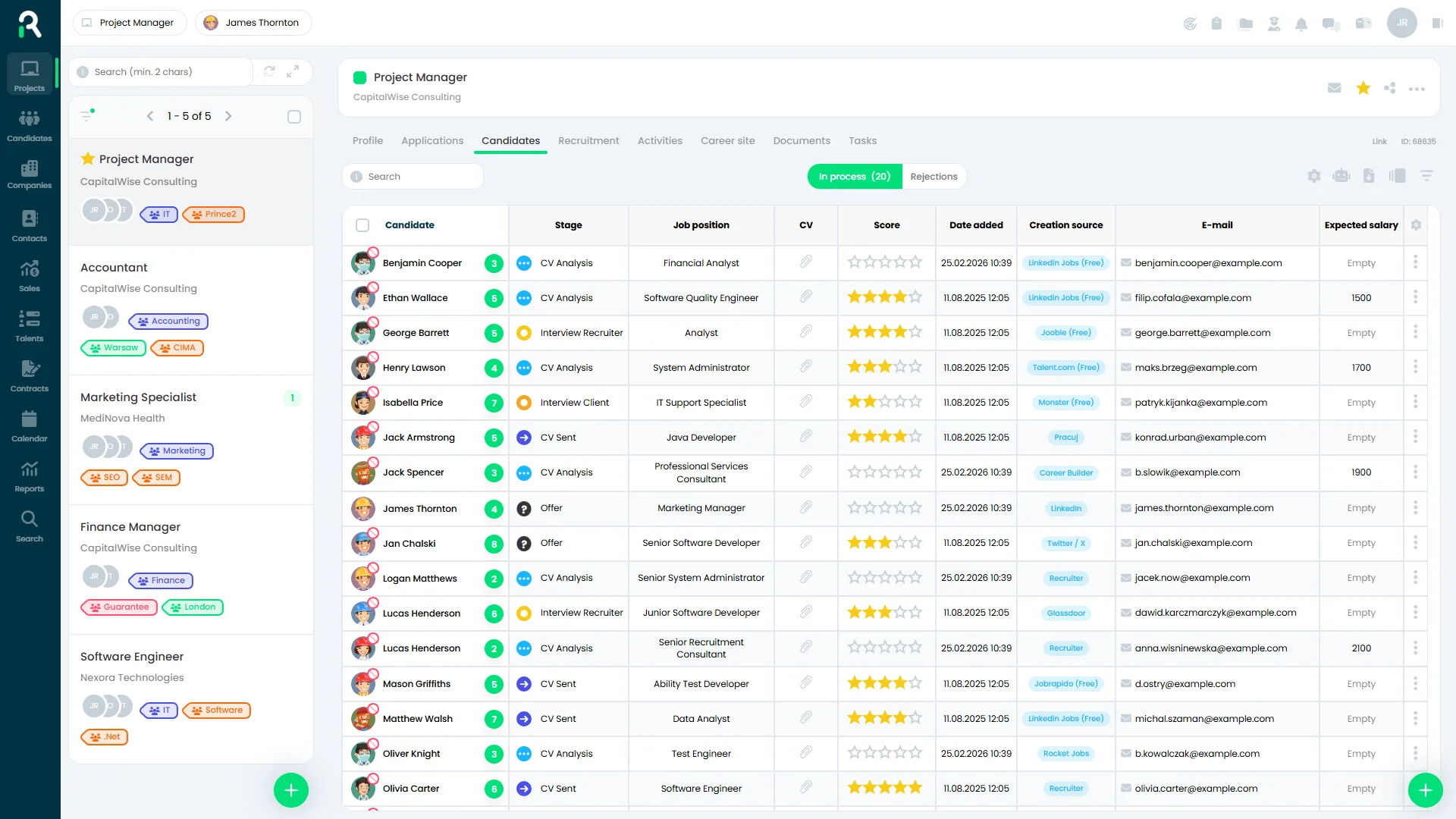
Applicant Tracking System
5 Mar 2026
From A to Z: Architecting Talent Acquisition, Distinguishing HRM from Recruitment Software, and Selecting High-Performance Systems.
Recruitment has evolved from being merely an administrative task to becoming a vital component of business strategy. In this comprehensive guide, we elucidate what an Applicant Tracking System (ATS) is, how it differs from recruitment and HRM systems, its operation within HR models, agencies, and contracting, and the secure transition process. We delve into the role of AI in recruitment, integrations, implementation costs, and the most common pitfalls when selecting software. This is a practical compendium for companies seeking to manage recruitment in an organised, measurable, and scalable manner.
Discover More

Acquiring Talent
27 Feb 2026
Have recruiters ever truly trusted candidates?
In recent months, there's been a growing sentiment that recruitment is entering a 'trust crisis.'
Discover More

HR Analytics
10 Feb 2026
Operational HR vs Strategic HR - What Really Makes a Difference
Say goodbye to improvisation in HR. The difference between an operational and strategic model doesn't lie in job responsibilities, but in the timeframe perspective. This text explores how to transition from reactively 'patching up vacancies' to systematically managing competencies. Discover why, in today's challenging labour market, the key to success lies in analyzing data from months prior and building process continuity, rather than merely ticking off tasks.
Discover More
Applicant Tracking System
5 Mar 2026
From A to Z: Architecting Talent Acquisition, Distinguishing HRM from Recruitment Software, and Selecting High-Performance Systems.
Recruitment has evolved from being merely an administrative task to becoming a vital component of business strategy. In this comprehensive guide, we elucidate what an Applicant Tracking System (ATS) is, how it differs from recruitment and HRM systems, its operation within HR models, agencies, and contracting, and the secure transition process. We delve into the role of AI in recruitment, integrations, implementation costs, and the most common pitfalls when selecting software. This is a practical compendium for companies seeking to manage recruitment in an organised, measurable, and scalable manner.
Discover More
Acquiring Talent
27 Feb 2026
Have recruiters ever truly trusted candidates?
In recent months, there's been a growing sentiment that recruitment is entering a 'trust crisis.'
Discover More